
August 5, 2026
Agency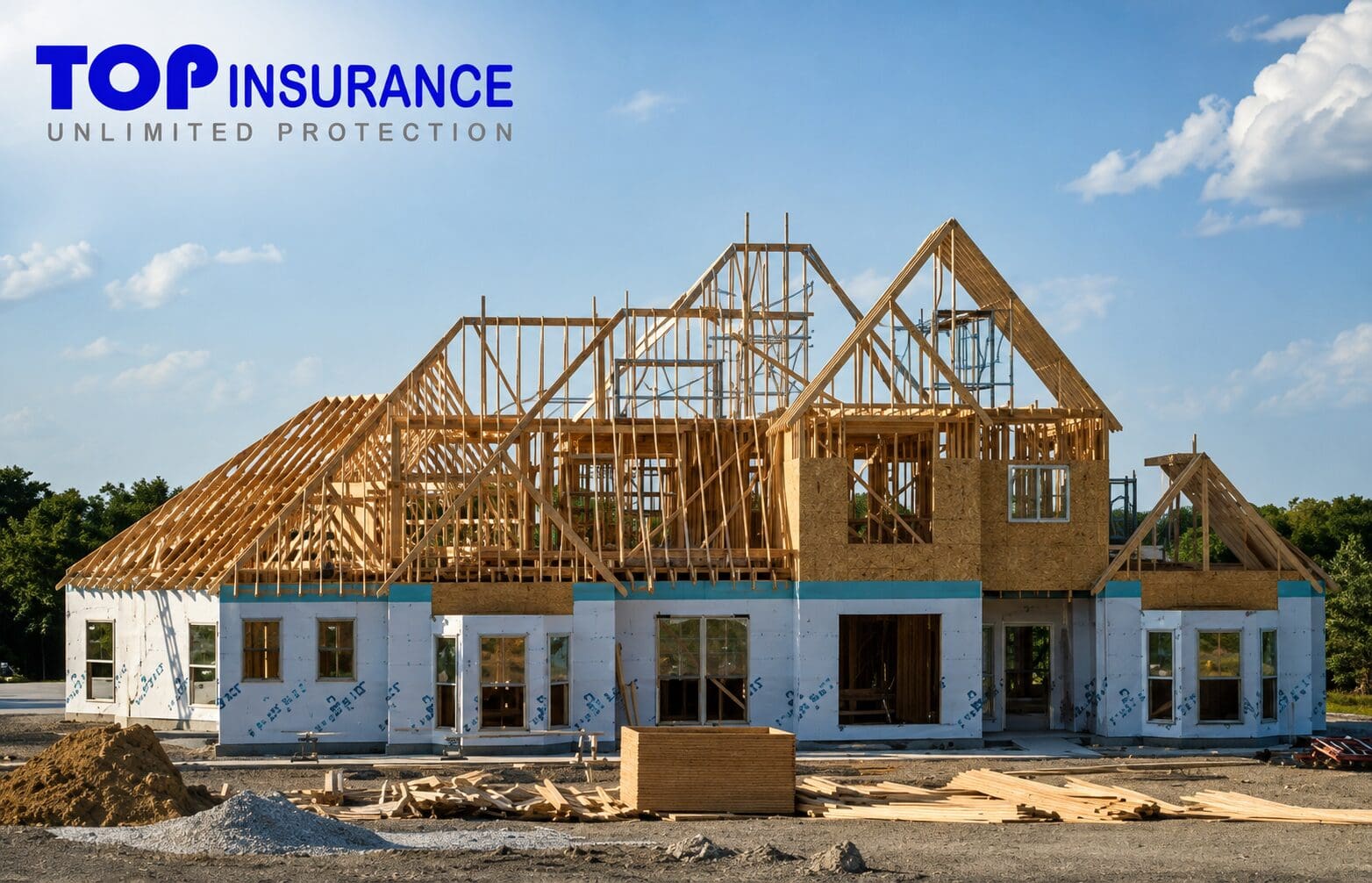
Builders Risk Insurance in Georgia: Insurance for Construction Projects, Remodeling, and Homes Under Construction
Building a home, remodeling a property, or developing a commercial project in Georgia represents a significant investment. During the construction process, materials, the structure, equipment, and completed work may be exposed to different risks.
A fire, storm, theft of materials, vandalism, water damage, or an accident can cause significant losses before the project is completed.
For this reason, many homeowners, general contractors, real estate developers, builders, and lenders request a Builders Risk Insurance policy, also known as Builder’s Risk Insurance or construction risk insurance.
This coverage is designed to protect certain property and materials associated with a construction or remodeling project while the work is being performed.
In this article, we explain:
-
What Builders Risk Insurance is.
-
How it works in Georgia.
-
What types of projects it may cover.
-
Who should purchase the policy.
-
What property may be protected.
-
What risks may be covered.
-
What the policy typically does not cover.
-
The difference between Builders Risk and General Liability.
-
The difference between Builders Risk and homeowners insurance.
-
How the cost is determined.
-
When coverage should begin.
-
How to file a claim.
-
What information is needed to request a quote.
-
What mistakes should be avoided before construction begins.
Important notice: This article is provided for informational and marketing purposes only. It does not constitute legal or financial advice or a coverage determination. Policy terms, limits, deductibles, and exclusions depend on the policy issued, the insurance company, the project, and the circumstances of each loss.
What Is Builders Risk Insurance?
Builders Risk Insurance is a policy designed to protect certain property associated with a construction, remodeling, expansion, or renovation project while the work is in progress.
Unlike a traditional policy for a completed property, Builders Risk is designed for a structure that is still being built or modified.
Depending on the policy, it may protect:
-
The structure under construction.
-
Materials that will become part of the project.
-
Materials stored at the construction site.
-
Materials in transit, when included by the policy.
-
Temporary installations.
-
Construction supplies.
-
Equipment related to the project.
-
Temporary structures, when included.
-
Work that has already been completed.
-
Certain additional expenses related to a covered loss.
The exact coverage depends on the policy. Not every project or material is covered in the same way.
How Does Builders Risk Insurance Work in Georgia?
The policy is generally purchased for a specific project and remains active for a specific period.
During that period, the project may be exposed to risks such as:
-
Fire.
-
Lightning.
-
Storms.
-
Wind.
-
Hail.
-
Theft.
-
Vandalism.
-
Water damage, depending on the policy.
-
Damage to materials.
-
Collapse, when covered.
-
Damage during certain stages of construction.
If a covered loss occurs, the insurance company may evaluate the damage and determine the amount payable, taking into consideration:
-
The policy limit.
-
The deductible.
-
The value of the project.
-
The cost to repair or replace the property.
-
Exclusions.
-
Policy conditions.
-
The percentage of construction completed.
-
The cause of the loss.
What Types of Projects May Need Builders Risk Insurance?
Builders Risk may be considered for different types of projects, including:
New Home Construction
A home under construction may be exposed to risks before it is completed and occupied.
The policy may evaluate elements such as:
-
The foundation.
-
The structure.
-
The roof.
-
Walls.
-
Electrical systems.
-
Plumbing systems.
-
HVAC systems.
-
Windows and doors.
-
Cabinets.
-
Flooring.
-
Construction materials stored at the project site.
Residential Remodeling
A remodeling project may involve significant modifications to part of a home or property.
Examples include:
-
Kitchen remodeling.
-
Bathroom remodeling.
-
Room additions.
-
Second-story additions.
-
Basement conversions.
-
Interior renovations.
-
Exterior remodeling.
-
Roof replacement.
-
Structural improvements.
Commercial Construction
Commercial projects may include:
-
Offices.
-
Retail stores.
-
Restaurants.
-
Medical centers.
-
Warehouses.
-
Industrial buildings.
-
Shopping centers.
-
Multifamily buildings.
-
Apartment buildings.
-
Professional facilities.
Renovation of Existing Buildings
A project may retain part of the original structure while modifying other areas.
In that situation, it is important to clearly define:
-
Which part of the property is under construction.
-
Which part remains occupied.
-
Who is responsible for the existing areas.
-
Whether the project will be completed in phases.
-
Whether materials will be stored off-site.
-
Whether business operations will be interrupted.
Multifamily Housing Construction
Apartment, townhome, and other residential developments may require a more detailed evaluation because of:
-
The size of the project.
-
The number of units.
-
The total value.
-
The duration.
-
The number of contractors.
-
Theft exposure.
-
The use of specialized materials.
-
The possibility of damage to nearby properties.
Additions and Expansions
An addition may involve:
-
Adding a room.
-
Building a garage.
-
Creating additional space.
-
Expanding a restaurant.
-
Adding offices.
-
Building a deck or exterior structure.
-
Adding a second floor.
Who Should Purchase Builders Risk Insurance?
The person or entity responsible for purchasing the policy depends on the contract and the structure of the project.
The policy may be purchased by:
-
The property owner.
-
The homeowner.
-
The general contractor.
-
The builder.
-
The real estate developer.
-
The project owner.
-
A construction company.
-
A financial institution.
-
An entity created for the project.
In many cases, the contract states who must obtain and maintain Builders Risk coverage.
Before purchasing the policy, the parties should confirm in writing:
-
Who will be the Named Insured.
-
Who will be listed as Additional Insureds, when applicable.
-
Who will be the Loss Payee.
-
What property will be insured.
-
When coverage begins.
-
When coverage ends.
-
What happens if the project is delayed.
-
Who will pay the deductible.
-
Who will file a claim.
Should the Owner or the Contractor Purchase the Policy?
There is no single answer for every project.
When the Owner Purchases the Policy
The owner may purchase the policy when:
-
The owner directly finances the construction.
-
The owner owns the land.
-
The owner hires different professionals.
-
The owner wants to control the coverage.
-
The lender requires it.
-
The contract states that the owner is responsible.
When the General Contractor Purchases the Policy
The general contractor may purchase the policy when:
-
The contract requires it.
-
The contractor controls the construction.
-
The contractor is responsible for the materials.
-
The contractor is building the property for sale.
-
The owner delegates the insurance purchase.
-
A centralized policy is needed for the project.
Important
Do not assume that one party’s insurance automatically protects all other parties. The contract and policy should be carefully reviewed.
What Does Builders Risk Insurance Typically Cover?
Coverage depends on the policy, but it may include certain direct physical damage to insured property.
Potentially covered risks may include:
-
Fire.
-
Lightning.
-
Explosion, when included.
-
Wind.
-
Storms.
-
Hail.
-
Theft, subject to conditions.
-
Vandalism.
-
Smoke.
-
Damage caused by certain natural events.
-
Damage to materials.
-
Damage to the structure.
-
Covered collapse.
-
Damage during construction.
The policy may be written on a named-perils basis or on a broader form, depending on the available product and the insurance company’s terms.
Coverage for the Structure Under Construction
The structure may include:
-
The foundation.
-
Walls.
-
Roofs.
-
Floors.
-
Stairs.
-
Support structures.
-
Windows.
-
Doors.
-
Built-in systems.
-
Permanent installations.
It is important to establish the estimated value of the project correctly. An insufficient limit can create problems if a major loss occurs.
Coverage for Construction Materials
Materials may be exposed before they are installed.
Examples include:
-
Lumber.
-
Bricks.
-
Cement.
-
Drywall.
-
Pipes.
-
Wiring.
-
Windows.
-
Doors.
-
Tile.
-
Flooring.
-
Cabinets.
-
HVAC equipment.
-
Plumbing fixtures.
-
Electrical materials.
-
Roofing materials.
Coverage may depend on where the materials are located:
-
At the construction site.
-
In a warehouse.
-
In transit.
-
At a supplier’s facility.
-
At a temporary location.
-
At an off-site project location.
Do not assume that materials are covered everywhere. Confirm the covered locations with your agent.
Materials in Transit
Some projects require materials to be transported from a supplier to the construction site.
The policy may have specific conditions for:
-
Transportation.
-
Loading and unloading.
-
Temporary storage.
-
Materials purchased in advance.
-
High-value materials.
-
Materials that have not yet been installed.
If the project uses expensive or specialized materials, inform the insurance company before transportation begins.
Coverage for Temporary Structures
Some projects use:
-
Temporary fencing.
-
Scaffolding.
-
Sheds.
-
Temporary offices.
-
Storage structures.
-
Safety barriers.
-
Temporary weather protection.
These structures are not always automatically included. The policy should indicate whether they are covered and under what conditions.
Coverage for Equipment and Tools
Builders Risk may cover certain equipment or elements related to the project, but it does not necessarily cover every contractor’s tool.
There is a difference between:
-
Materials that will become part of the project.
-
Permanently installed equipment.
-
Tools owned by the contractor.
-
Rented machinery.
-
Mobile equipment.
-
Equipment stored at the construction site.
Contractors’ tools may require Inland Marine, Contractors’ Equipment, or a separate commercial policy.
Does Builders Risk Cover a Contractor’s Tools?
Not necessarily.
A contractor may bring the following to a job site:
-
Drills.
-
Saws.
-
Compressors.
-
Generators.
-
Ladders.
-
Welding equipment.
-
Power tools.
-
Measuring equipment.
-
Specialized equipment.
These tools may not be covered under Builders Risk because they belong to the contractor and are not part of the structure being built.
To protect them, it may be necessary to review:
-
Inland Marine.
-
Contractors’ Equipment.
-
Commercial Property.
-
Equipment Floater.
-
Tools and equipment coverage.
Does Builders Risk Cover Contractors’ Work?
The policy may cover the value of certain materials and work incorporated into the project, but it does not replace professional liability or the contractor’s general liability insurance.
For example, Builders Risk may respond to covered physical damage to a structure under construction. However, it may not cover:
-
A design error.
-
Poor installation.
-
Defective workmanship.
-
Breach of contract.
-
Delays.
-
Employee injuries.
-
Damage caused to third parties.
-
Professional liability.
Each type of coverage has a different purpose.
Does Builders Risk Cover Water Damage?
Coverage depends on the cause of the damage and the policy terms.
Some policies may cover certain sudden and accidental damage, while they may exclude:
-
Flood.
-
Gradual leaks.
-
Moisture.
-
Wear and tear.
-
Lack of maintenance.
-
Water damage from certain sources.
-
Installation errors.
-
Damage that develops over time.
The word “water” alone does not determine whether coverage exists. The cause of the damage must be identified and the policy reviewed.
Does Builders Risk Cover Flooding?
Do not assume that flooding is included.
In many policies, flood may be excluded or may require separate coverage.
The need to evaluate a separate policy may depend on:
-
The project’s location.
-
Proximity to rivers or bodies of water.
-
Flood history.
-
Ground elevation.
-
Lender requirements.
-
Applicable maps.
-
The stage of construction.
If the project is located in an area with flood exposure, ask about this risk before construction begins.
Does Builders Risk Cover Hurricanes and Storms?
Storm coverage depends on:
-
The type of storm.
-
The policy limit.
-
The deductible.
-
Exclusions.
-
The location.
-
The policy form.
-
The insurance company’s terms.
Projects in Georgia may be exposed to:
-
Severe storms.
-
Strong winds.
-
Hail.
-
Tornadoes.
-
Heavy rain.
-
Damage caused by trees.
-
Flooding associated with storms.
The deductible for wind, storm, or hail may be different from the general deductible. Review this before purchasing the policy.
Does Builders Risk Cover Theft of Materials?
The policy may include theft coverage, but it is subject to conditions and exclusions.
The insurance company may review:
-
Whether the site was secured.
-
Whether a fence was installed.
-
Whether lighting was present.
-
Whether cameras were installed.
-
Whether the materials were insured.
-
Whether a police report was filed.
-
Whether reasonable security measures were taken.
-
Whether the materials were located within a covered location.
To reduce theft exposure, consider:
-
Fencing the site.
-
Using lighting.
-
Installing cameras.
-
Storing high-value materials in a secure area.
-
Limiting access.
-
Maintaining inventories.
-
Keeping invoices and serial numbers.
-
Reporting losses promptly.
Does Builders Risk Cover Vandalism?
Vandalism may be covered in some cases, depending on the policy.
The insurance company may analyze:
-
How the damage occurred.
-
Whether the property was vacant.
-
Whether the project was secured.
-
Whether there was unauthorized access.
-
Whether materials coverage applied.
-
Whether the loss occurred during the policy period.
Vandalism may include damage such as:
-
Broken windows.
-
Paint damage.
-
Wall damage.
-
Damage to installations.
-
Damage to materials.
-
Damage to installed equipment.
Does Builders Risk Cover an Unoccupied Property?
Many construction projects are unoccupied for part of the project. However, an unoccupied property may present a higher risk of:
-
Theft.
-
Vandalism.
-
Water damage.
-
Fire.
-
Trespassing.
-
Frozen pipes.
-
Undetected damage.
The policy may have special conditions for vacant or unattended properties.
It is important to inform the insurance company:
-
How long the property will remain vacant.
-
Whether security or surveillance is in place.
-
Whether someone will inspect the property.
-
Whether utilities are connected.
-
Whether alarm systems are installed.
-
Whether materials are stored on-site.
What Does Builders Risk Typically Exclude?
Exclusions vary, but Builders Risk should not be considered coverage for every project-related risk.
The policy may not cover:
-
General liability.
-
Employee injuries.
-
Vehicle accidents.
-
Personal tools.
-
Professional errors.
-
Design defects.
-
Defective workmanship.
-
Normal wear and tear.
-
Maintenance.
-
Flood, if excluded.
-
Earthquake, if excluded.
-
Gradual damage.
-
Mold, depending on the policy.
-
Pollution.
-
Uncovered delays.
-
Breach of contract.
-
Intentional acts.
-
Pre-existing problems.
-
Losses outside the coverage period.
Review the exclusions before signing the policy.
Does Builders Risk Cover General Liability?
Generally, Builders Risk does not replace a General Liability policy.
General Liability may be relevant to claims involving:
-
Bodily injury to third parties.
-
Damage to someone else’s property.
-
Job-site operations.
-
Products and completed operations.
-
Contractor activities.
Example
A construction worker leaves materials in a walkway. A visitor trips and is injured.
The injury claim may involve General Liability, not necessarily Builders Risk.
Difference Between Builders Risk and General Liability
| Builders Risk | General Liability |
|---|---|
| Protects certain project property | Protects against certain third-party claims |
| Focuses on physical damage to the construction project | Focuses on bodily injury and property damage claims |
| May cover materials and the structure | May cover liability arising from operations |
| Specific to the construction project | May cover business operations, depending on the policy |
| Does not replace liability insurance | Does not replace coverage for the structure under construction |
Many projects require both types of coverage.
Difference Between Builders Risk and Commercial Property
A Commercial Property policy is generally designed for a commercial property that is already operating or occupied.
Builders Risk is designed for a property that:
-
Is being constructed.
-
Is being remodeled.
-
Is being expanded.
-
Is not yet complete.
-
Has materials being installed.
When the property changes from the construction stage to the occupancy or operational stage, the insurance program may need to be reviewed and changed.
Difference Between Builders Risk and Homeowners Insurance
A traditional homeowners policy may not be designed to cover a home that is under construction or undergoing a major remodeling project.
Before starting work, the homeowner should inform the insurance company about:
-
The remodeling project.
-
The addition.
-
The value of the work.
-
The contractors involved.
-
The duration.
-
Whether the home will be occupied.
-
Whether the home will be vacant.
-
Whether walls or structural portions will be removed.
-
Whether utilities will be disconnected.
A major remodeling project can change the property’s risk and may require a different policy or a coverage modification.
Difference Between Builders Risk and Contractor’s Equipment
Contractors’ Equipment is designed for a contractor’s tools, equipment, and machinery.
It may involve:
-
Excavators.
-
Bobcats.
-
Forklifts.
-
Lifts.
-
Generators.
-
Compressors.
-
Demolition equipment.
-
Specialized machinery.
-
Trailers.
-
Mobile equipment.
Builders Risk primarily focuses on project property, while Contractors’ Equipment focuses on property used by the contractor.
What Are Soft Costs in Builders Risk?
Some policies may offer coverage for certain soft costs, also known as indirect project costs.
When specifically covered, these costs may include:
-
Architect fees.
-
Engineer fees.
-
Additional permits.
-
Legal expenses.
-
Additional financing interest.
-
Administrative costs.
-
Redesign expenses.
-
Expenses associated with reconstruction.
Not all policies automatically include soft-cost coverage.
If the project has significant financial or professional expenses, ask whether this coverage is available and what limits apply.
What Is Business Income or Loss of Rents Coverage?
A construction delay may affect the owner or developer.
For example:
-
A commercial building cannot open.
-
A property cannot be rented.
-
A restaurant delays its opening.
-
A multifamily project cannot be occupied.
-
The owner must continue paying financing costs.
Some policies may offer coverage for certain additional expenses, business income, or loss of rents, but this coverage is not automatic.
Coverage depends on:
-
The type of project.
-
The policy.
-
The cause of the delay.
-
The limit.
-
The waiting period.
-
The exclusions.
When Should Builders Risk Coverage Begin?
The policy should begin before there is a significant exposure to loss.
This may be before:
-
Purchasing materials.
-
Delivering materials to the site.
-
Beginning demolition.
-
Starting construction.
-
Signing contracts with suppliers.
-
Beginning remodeling.
-
Receiving the first shipment.
-
Performing structural work.
The correct effective date depends on the project and the policy.
Do not wait until a loss occurs to request insurance. A policy purchased after the damage does not automatically cover previous events.
When Does Builders Risk Coverage End?
Coverage may end when one of the following events occurs:
-
The project is completed.
-
The property is occupied.
-
The buyer takes possession.
-
A certificate of occupancy is issued, when applicable.
-
The policy is canceled.
-
The stated policy period ends.
-
The property becomes an operational property.
-
Another more appropriate policy begins.
The exact termination point depends on the policy terms.
When construction is complete, it may be necessary to transition to:
-
Commercial Property Insurance.
-
Homeowners Insurance.
-
Landlord Insurance.
-
General Liability.
-
A Business Owners Policy.
-
Another appropriate form of coverage.
What Happens if the Project Is Delayed?
Construction projects may be delayed because of:
-
Permit problems.
-
Material shortages.
-
Design changes.
-
Weather.
-
Labor issues.
-
Lack of financing.
-
Damage during construction.
-
Changes requested by the owner.
-
Contractor problems.
If the project will not be completed by the expected date, inform your agent before the policy expires.
You may need to request:
-
An extension.
-
A change to the completion date.
-
A value review.
-
A change in the scope of work.
-
A new policy.
-
Additional coverage.
Do not assume that the policy automatically extends.
How Is the Builders Risk Limit Determined?
The limit should reflect the insurable value of the project according to the policy terms.
It may include:
-
The cost of materials.
-
Labor.
-
Completed work.
-
Permanent components.
-
Construction expenses.
-
Certain indirect costs, if included.
-
Improvements.
-
Installed equipment.
-
Reconstruction costs.
The limit is not always equal to the final sale price of the property.
To establish the limit correctly, consider:
-
The construction budget.
-
Contracts.
-
Supplier estimates.
-
Labor costs.
-
Scope changes.
-
Inflation.
-
Increases in material costs.
-
The project stage.
-
The probable reconstruction cost.
What Happens if the Limit Is Insufficient?
If the limit is lower than the project’s value, underinsurance may become an issue.
This may affect:
-
The amount available for reconstruction.
-
Application of an insurance-to-value condition.
-
The ability to pay for materials.
-
Recovery of costs.
-
Lender requirements.
Inform the insurance company of any significant change to the budget or project scope.
What Is the Deductible?
The deductible is the amount the insured must pay before the insurance company pays the remaining amount of a covered loss, subject to the policy terms.
The deductible may vary depending on the cause of the damage.
There may be a separate deductible for:
-
General risks.
-
Wind.
-
Storm.
-
Hail.
-
Theft.
-
Hurricane, when applicable.
-
Flood, if coverage exists.
-
Other specific risks.
Before purchasing the policy, confirm:
-
The amount of the deductible.
-
Which events have separate deductibles.
-
Who will be responsible for paying it.
-
Whether the deductible changes during an extension.
How Much Does Builders Risk Insurance Cost in Georgia?
There is no single price for every project.
The cost may depend on:
-
The total construction value.
-
The type of project.
-
The location.
-
The duration.
-
The type of construction.
-
The materials used.
-
The distance to fire protection services.
-
Loss history.
-
Security measures.
-
The contractor’s experience.
-
The percentage of construction completed.
-
Storm exposure.
-
Flood exposure.
-
Additional coverage.
-
The deductible.
-
Soft costs.
-
The value of materials stored.
-
Whether the project is residential or commercial.
-
Whether the property is occupied or vacant.
An interior remodeling project may have a different risk profile from new construction or a multifamily project.
Risk Factors in Georgia
Projects in Georgia may be exposed to:
-
Severe storms.
-
Strong winds.
-
Hail.
-
Tornadoes.
-
Heavy rain.
-
Flooding in certain areas.
-
Theft of materials.
-
Vandalism.
-
Fire.
-
Water damage.
-
Frozen pipes during periods of low temperatures.
-
Material delays.
The specific location is important. A project in Duluth or Lawrenceville may have different characteristics from a project in another part of Georgia.
What Information Is Needed for a Quote?
To obtain a Builders Risk quote, prepare:
-
The property owner’s name.
-
The general contractor’s name.
-
The exact project address.
-
The type of project.
-
A description of the construction.
-
The total project value.
-
The material budget.
-
The labor budget.
-
The start date.
-
The estimated completion date.
-
The percentage of work completed.
-
The type of construction.
-
The number of floors.
-
The square footage.
-
The roof type.
-
The structural type.
-
Electrical and plumbing systems.
-
Security measures.
-
Whether the property will be occupied.
-
Whether existing structures are present.
-
Whether demolition will be performed.
-
The value of materials stored.
-
The value of installed equipment.
-
Loss history.
-
Lender requirements.
-
Contract requirements.
-
The need for soft costs.
-
The need for loss of rents or business income coverage.
-
Information about subcontractors.
-
The expected occupancy date.
The more complete the information, the more accurately the project can be evaluated.
What Project Information Should Be Provided to the Insurer?
Report any special operations, including:
-
Demolition.
-
Excavation.
-
Use of explosives.
-
Welding.
-
Basement construction.
-
Work near water.
-
High-rise construction.
-
Use of cranes.
-
Solar panel installation.
-
Specialized roofing.
-
Flammable materials.
-
Prefabricated structures.
-
Modular construction.
-
Work at occupied properties.
-
Work near other structures.
-
Storage of high-value materials.
Failing to disclose important information may create problems during underwriting or a claim.
What Security Should a Construction Site Have?
Security measures may help control the risk of loss.
Consider:
-
Fencing.
-
Locked gates.
-
Lighting.
-
Cameras.
-
Alarms.
-
Warning signs.
-
Access control.
-
Security guards.
-
Periodic inspections.
-
Secure storage of materials.
-
Removal of debris.
-
Fire protection.
-
Fire extinguishers.
-
Temporary protection against rain.
-
Supervision during periods when work is not being performed.
The insurance company may request information about these measures.
How Do You File a Builders Risk Claim?
If a loss occurs:
1. Protect People
In an emergency, call the appropriate emergency services and address any injuries.
2. Prevent Further Damage
Take reasonable steps to prevent additional damage, as long as it is safe to do so.
3. Notify Your Agent or Insurance Company
Report the loss as soon as possible.
4. Document the Damage
Take:
-
Photographs.
-
Videos.
-
Inventories.
-
Invoices.
-
Receipts.
-
Estimates.
-
Police reports, when applicable.
-
Contractor reports.
-
Material records.
-
Project documents.
5. Do Not Remove Damaged Property Without Documenting It
The insurance company may need to inspect the property. If materials must be removed for safety reasons, document their condition beforehand.
6. Cooperate With the Investigation
Provide the information requested by the adjuster and keep copies of all documents submitted.
What Documents May Be Requested During a Claim?
The insurance company may request:
-
The policy.
-
The construction contract.
-
The project budget.
-
Plans.
-
Invoices.
-
Receipts.
-
Purchase orders.
-
Inventories.
-
Photographs taken before the loss.
-
Photographs taken after the loss.
-
A police report.
-
Fire department reports.
-
Subcontractor contracts.
-
Payment records.
-
Evidence of the value of completed work.
-
Information about the cause of the damage.
-
Permit documents.
-
The project schedule.
Maintaining good records from the beginning may make the claims process easier.
Does Builders Risk Cover a Contractor’s Construction Errors?
Do not assume that it does.
An installation error or defective workmanship may be treated differently from physical damage caused by a covered event.
For example:
-
The cost of correcting defective work may be excluded.
-
Additional damage caused by the error may be treated differently.
-
A design defect may require Professional Liability coverage.
-
Breach of contract is not automatically a covered event.
The analysis depends on the policy and the facts of the loss.
Does Builders Risk Cover Damage to Neighboring Properties?
There may be coverage for certain physical damage to project property, but damage to neighboring properties is often associated with General Liability or other coverage.
Example:
During demolition, a nearby structure is damaged.
Liability may depend on:
-
Who caused the damage.
-
The contract.
-
The General Liability policy.
-
The Builders Risk policy.
-
Exclusions.
-
Legal liability.
The contractor should generally maintain General Liability in addition to Builders Risk when appropriate.
Does Builders Risk Cover Injuries to Workers?
Generally, Builders Risk does not replace Workers’ Compensation.
If an employee is injured while working, the claim may involve:
-
Workers’ Compensation.
-
Employers Liability.
-
General Liability in certain circumstances.
-
Other policies depending on the facts.
Each contractor should review its own insurance obligations.
Does Builders Risk Cover a Vehicle or Trailer?
A vehicle used to transport materials or equipment generally requires Commercial Auto coverage.
A trailer may require a separate evaluation.
Builders Risk should not automatically be considered coverage for:
-
Pickup trucks.
-
Vans.
-
Trucks.
-
Trailers.
-
Service vehicles.
-
Mobile equipment.
What About Subcontractors?
The owner or general contractor should confirm the insurance requirements for every subcontractor.
Subcontractors may need:
-
General Liability.
-
Workers’ Compensation.
-
Commercial Auto.
-
Inland Marine.
-
Contractors’ Equipment.
-
Certificate of Insurance.
-
Additional Insured status.
-
Waiver of Subrogation.
Builders Risk does not eliminate the need to review subcontractors’ insurance policies.
Should a Contractor Request Certificates from Subcontractors?
The contractual requirements should be reviewed, and documentation for all hired subcontractors should be maintained.
Request and keep:
-
Certificates of Insurance.
-
General Liability information.
-
Workers’ Compensation information.
-
Commercial Auto information, when applicable.
-
Additional Insured endorsements.
-
Required endorsements.
-
Contracts.
-
Licenses.
-
Contact information.
This may help demonstrate that subcontractors maintain their own coverage.
Common Mistakes When Purchasing Builders Risk
Purchasing the Policy After the Project Has Started
Coverage should be arranged before there is significant exposure to loss.
Using a Limit Based Only on the Sale Price
The sale price does not always represent the insurable reconstruction cost.
Failing to Report That the Property Will Be Vacant
A vacant property may present additional risks.
Failing to Include Materials Stored Off-Site
Materials may not be covered at every location.
Failing to Request an Extension
Delays may leave the project without coverage when the policy expires.
Confusing Builders Risk With General Liability
These are different coverages and may be needed at the same time.
Failing to Include Soft Costs When They Are Significant
Indirect costs may represent a substantial loss.
Failing to Review the Storm or Wind Deductible
A special deductible may be different from the general deductible.
Failing to Update the Project Value
An increase in the budget may require an adjustment to the policy limit.
Failing to Document Materials
Invoices and inventories may be important during a claim.
Failing to Report Scope Changes
Demolition, excavation, and additions may change the risk evaluation.
How to Better Protect a Construction Project
To improve project protection:
-
Purchase Builders Risk before construction begins.
-
Review the contract with the owner and general contractor.
-
Confirm who will be the Named Insured.
-
Verify whether Additional Insureds are needed.
-
Establish the project value correctly.
-
Maintain an inventory of materials.
-
Protect the site from theft and vandalism.
-
Install lighting and cameras when appropriate.
-
Report project delays.
-
Request extensions before the policy expires.
-
Review flood coverage.
-
Confirm wind and storm coverage.
-
Maintain General Liability.
-
Review Workers’ Compensation requirements.
-
Request certificates from subcontractors.
-
Document every budget change.
-
Keep contracts and invoices.
-
Update the agent about significant changes.
-
Review the policy before occupancy.
-
Obtain appropriate coverage for the completed property.
Builders Risk for Homes Under Construction in Georgia
Homeowners building a new home should consider what happens to the property before it is complete.
During construction, a traditional homeowners policy may not be appropriate for:
-
An incomplete structure.
-
Uninstalled materials.
-
Tools.
-
Contractors.
-
An unoccupied property.
-
Structural changes.
-
Construction risks.
Before starting, confirm:
-
Who is responsible for the policy.
-
Whether the lender requires Builders Risk.
-
The estimated construction value.
-
The start date.
-
The estimated completion date.
-
Whether materials are included.
-
Whether materials will be stored off-site.
-
What coverage is needed after occupancy.
Builders Risk for Remodeling Projects in Georgia
Remodeling projects can significantly change the risk of an existing property.
Inform your agent if you will perform:
-
Wall demolition.
-
Electrical changes.
-
Plumbing changes.
-
Structural modifications.
-
Roof renovation.
-
Construction of an addition.
-
Work at an occupied property.
-
Work at a vacant property.
-
HVAC system modifications.
-
Installation of high-value materials.
A small remodeling project may be treated differently from a major structural renovation.
Builders Risk for General Contractors in Georgia
General contractors may use Builders Risk for projects in which they are responsible for:
-
Coordination.
-
Materials.
-
The structure.
-
Subcontractors.
-
The schedule.
-
Project delivery.
-
Contract compliance.
The general contractor should also determine whether it needs:
-
General Liability.
-
Commercial Auto.
-
Workers’ Compensation.
-
Inland Marine.
-
Contractors’ Equipment.
-
Umbrella.
-
Professional Liability.
-
Pollution Liability.
Builders Risk for Real Estate Developers
Developers may have exposures related to:
-
Large budgets.
-
Financing.
-
Loss of rents.
-
Delays.
-
Stored materials.
-
Multiple contractors.
-
Multifamily projects.
-
Commercial projects.
-
Phased construction.
The policy should be coordinated with the requirements of the bank, investors, property owner, and contractors.
Builders Risk and Lender Requirements
A lender may request proof of coverage before releasing funds or closing a construction loan.
Requirements may include:
-
A minimum limit.
-
The lender’s name.
-
Mortgagee or Loss Payee status.
-
A maximum deductible.
-
The effective date.
-
The project address.
-
The type of construction.
-
A Certificate of Insurance.
-
Notification provisions.
-
Coverage for the entire loan period.
A lender may have different requirements from the general contractor. Review both sets of requirements.
What Is a Loss Payee?
A Loss Payee is a person or entity that may have rights related to payment for a covered loss, generally because that party has a financial interest in the property.
A bank or lender may request to be listed as a Loss Payee or Mortgagee.
This is not exactly the same as being an Additional Insured:
-
Additional Insured status relates to certain protection under the policy.
-
Loss Payee status relates to a financial interest in the insured property.
-
Mortgagee status generally relates to the entity financing the property.
The exact classification depends on the document and the policy.
Request a Builders Risk Quote in Georgia
If you are building, remodeling, or developing a property in Georgia, Top Insurance LLC can help you review available options for your project.
The evaluation may include:
-
The type of construction.
-
The location.
-
The project value.
-
The duration.
-
Materials.
-
The structure.
-
Storm exposure.
-
Theft exposure.
-
Flood coverage.
-
Soft costs.
-
Loss of income.
-
Lender requirements.
-
General contractor requirements.
-
Additional Insured status.
-
Loss Payee status.
-
Complementary coverages.
Top Insurance LLC
Phone: (877) 579-0587
Website: www.topinsus.com
Commercial Insurance: comercial.topinsus.com
Request a Quote: cotiza.topinsus.com
Are you building or remodeling a property in Georgia?
Protect your project during the construction process and review the coverages that may be needed before work begins.
Call Top Insurance LLC at (877) 579-0587 to request a Builders Risk Insurance quote.
Frequently Asked Questions
What Is Builders Risk Insurance?
It is insurance designed to protect certain property, materials, and structures associated with a construction or remodeling project while the work is in progress.
Is Builders Risk the Same as General Liability?
No. Builders Risk primarily focuses on certain physical damage to the project. General Liability focuses on certain claims involving bodily injury or property damage to third parties.
Who Purchases Builders Risk Insurance?
The policy may be purchased by the owner, general contractor, builder, developer, or another responsible party, depending on the contract.
Is Builders Risk Required in Georgia?
The need may depend on the contract, lender, owner, project, and requirements of the parties. The specific requirements should be reviewed before construction begins.
Does Builders Risk Cover a Home Under Construction?
It may cover certain property and physical damage related to the home while it is under construction, subject to the policy, limits, and exclusions.
Does Builders Risk Cover Remodeling Projects?
It may cover certain risks associated with remodeling. Coverage depends on the scope of work and how the project is described.
Does Builders Risk Cover Construction Materials?
It may cover certain materials, but you should confirm whether they are covered at the job site, in transit, or in off-site storage.
Does Builders Risk Cover Tools?
Not necessarily. A contractor’s tools may require Inland Marine or Contractors’ Equipment coverage.
Does Builders Risk Cover Theft?
It may include theft coverage, subject to conditions, limits, deductibles, and security requirements.
Does Builders Risk Cover Vandalism?
It may cover certain vandalism damage, depending on the policy and the circumstances.
Does Builders Risk Cover Flooding?
Do not assume that it does. Flood may be excluded or may require separate coverage.
Does Builders Risk Cover Storms and Hail?
It may cover certain damage, but you should review deductibles, limits, exclusions, and conditions related to wind, storms, and hail.
Does Builders Risk Cover Injured Workers?
Generally, it does not replace Workers’ Compensation. Employee injuries should be evaluated under the appropriate coverage.
Does Builders Risk Cover Damage to Neighbors’ Property?
Not necessarily. Damage to third-party property may involve General Liability or another type of coverage.
Does Builders Risk Cover Construction Errors?
Do not assume that it does. Defective workmanship, design errors, or installation errors may be excluded or treated differently.
When Should the Policy Begin?
The policy should begin before construction starts or before materials and property are exposed to significant risks. The exact date depends on the project and the policy.
When Does Builders Risk End?
It may end when the project is completed, when the property is occupied, when the policy expires, or when another event described in the policy occurs.
What Happens if Construction Is Delayed?
Contact your agent before the policy expires. You may need to request an extension.
How Is the Limit Determined?
The limit should be based on the project’s insurable value, including materials, labor, and other elements covered by the policy.
What Are Soft Costs?
Soft costs are certain indirect costs related to the project, such as professional fees, permits, or financing expenses, when specifically covered.
Can a Lender Require Builders Risk?
Yes. A lender may establish insurance requirements before financing a project.
What Is a Loss Payee?
A Loss Payee is a person or entity that may have rights related to payment for a covered loss because of a financial interest in the property.
Do I Need Both Builders Risk and General Liability?
Many projects may need both because they protect against different types of risks.
Can Builders Risk Cover a Commercial Project?
Yes. It may be considered for offices, stores, restaurants, warehouses, apartments, and other projects, subject to the insurance company’s evaluation.
Can Builders Risk Cover Work in Multiple States?
Coverage depends on the policy and the project. Inform your agent if you perform work outside Georgia.
Legal Disclaimer
This article is provided for informational and marketing purposes only. It does not constitute legal, financial, accounting, or insurance coverage advice. Builders Risk Insurance may vary depending on the insurance company, project, location, type of construction, contract, limits, deductibles, and exclusions.
Before beginning construction or remodeling, confirm the requirements with the property owner, general contractor, lender, insurance agent, or appropriate attorney.
Recommended Internal Links
This article may link to the following related content:
-
Additional Insured in Georgia
-
Subcontractor Insurance in Georgia
-
Certificate of Insurance for Contractors in Georgia
-
General Liability Insurance for Contractors in Georgia
-
Workers’ Compensation for Contractors in Georgia
-
Commercial Auto Insurance for Contractors in Georgia
-
General Contractor Insurance in Georgia
-
Roofing Contractor Insurance in Georgia
-
Electrician Insurance in Georgia
-
Plumbing Contractor Insurance in Georgia
-
Contractor Tools and Equipment Insurance
-
Liability Insurance for Builders
Categories: Business
Tags: builder insurance, Builders Risk coverage, Builders Risk Insurance in Georgia, commercial construction insurance, commercial project insurance, construction insurance in Georgia, construction material theft insurance, construction risk insurance, construction storm insurance, construction vandalism insurance, insurance for buildings under construction, insurance for construction contractors, insurance for construction materials, insurance for construction projects, insurance for general contractors in Georgia, insurance for homeowners building a home, insurance for homes under construction, insurance for remodeling projects, insurance policy for homes under construction, real estate developer insurance, remodeling insurance in Georgia, residential construction insurance