
julio 28, 2026
Agency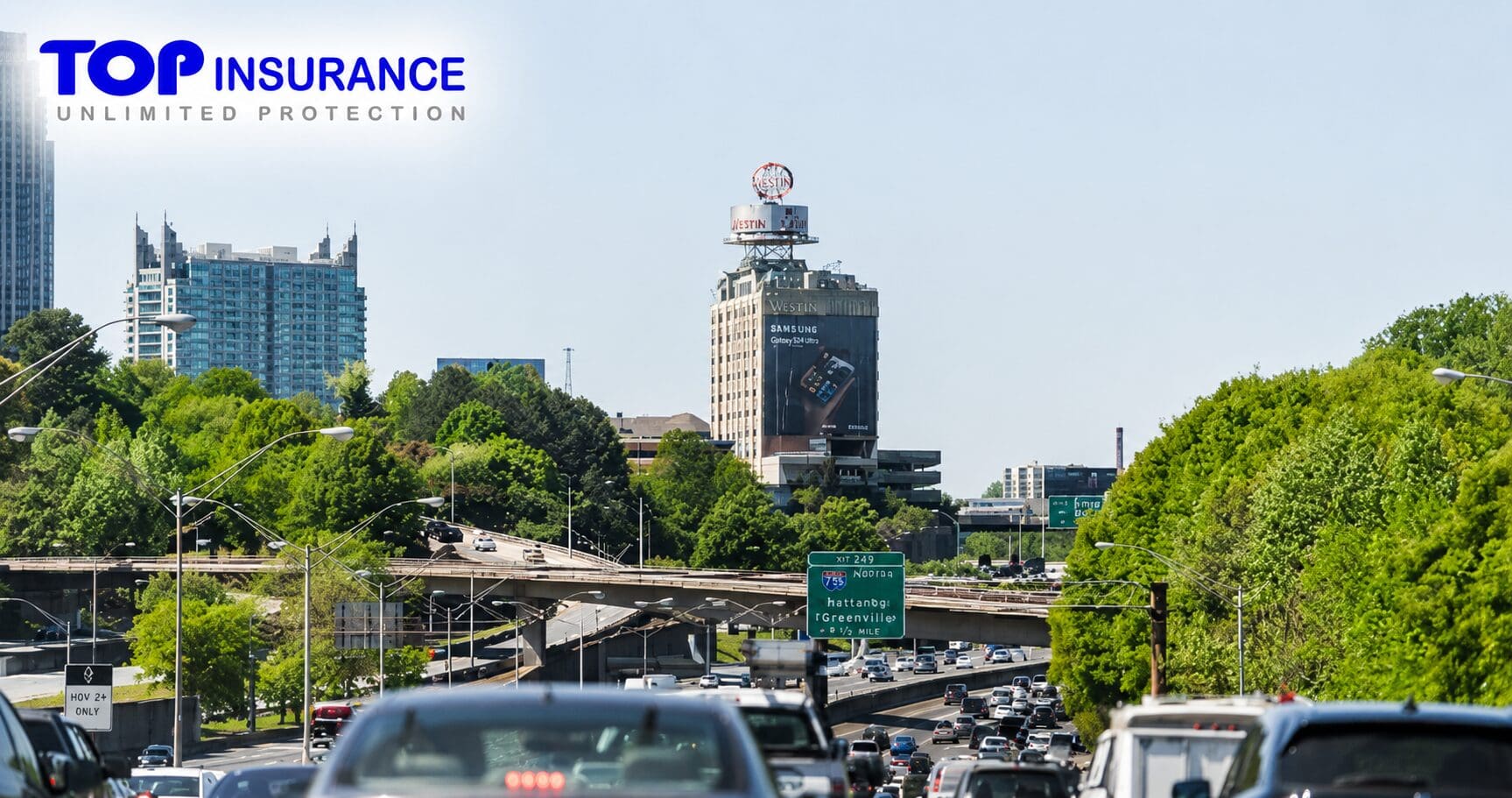
How Much Does Car Insurance Cost in Georgia in 2026?
If you are searching for the car insurance cost in Georgia, you are probably looking for more than a random monthly price. You want to know what you may pay, why your rate is different from someone else’s, what coverage Georgia requires, and how to find protection that fits your budget.
The truth is that there is no single price for every Georgia driver. Two people living in the same city can receive very different auto insurance quotes—even if they drive similar vehicles. Insurance companies evaluate many details, including your driving history, ZIP code, vehicle, age, prior insurance history, coverage selections, deductible, and other risk-related factors allowed under Georgia law.
In 2026, many Georgia drivers are also seeing that vehicle repairs, medical expenses, replacement parts, accident severity, and vehicle theft can influence insurance pricing. That does not mean you should settle for the first quote you receive. Comparing coverage carefully can help you find a policy that protects you without paying for options you do not need.
At Top Insurance LLC, we help drivers explore auto insurance options in Georgia and other states. The goal is not simply to find the lowest possible premium. It is to help you understand what you are buying, identify available discounts, and choose coverage that makes sense for your vehicle, finances, and daily life.
What Is the Average Cost of Car Insurance in Georgia?
The cost of car insurance in Georgia can vary widely. A driver buying only the state-required minimum liability insurance may pay much less than a driver choosing full coverage with collision, comprehensive coverage, roadside assistance, rental reimbursement, and higher liability limits.
Your quote may also be higher or lower depending on whether you live in a high-traffic area, have prior accidents or tickets, drive a newer vehicle with expensive technology, or qualify for discounts.
Instead of relying only on a statewide average, it is more useful to understand the type of coverage you need and the factors that insurers use to calculate your individual price.
For example:
-
A driver with a clean record and an older paid-off vehicle may consider liability-focused coverage.
-
A driver financing or leasing a car will usually need comprehensive and collision coverage.
-
A family with multiple vehicles may benefit from bundling auto and home insurance.
-
A driver in Atlanta may receive a different quote than someone in a smaller Georgia community because of traffic density, claims frequency, theft risk, and repair costs.
The most accurate way to know your potential premium is to request a personalized quote and compare coverage options—not just the monthly payment.
Georgia Minimum Car Insurance Requirements: Understanding 25/50/25
Georgia requires drivers to carry liability insurance to legally operate a vehicle. The state minimum liability limits are commonly described as 25/50/25.
This means your policy must generally include at least:
-
$25,000 bodily injury liability per person
-
$50,000 bodily injury liability per accident
-
$25,000 property damage liability per accident
Liability insurance is designed to help pay for injuries or property damage you cause to other people in a covered accident where you are found legally responsible.
What does 25/50/25 mean in real life?
Imagine that you cause an accident involving another vehicle.
If one person is injured, your policy may provide up to $25,000 for that person’s covered bodily injury damages, subject to policy terms and legal responsibility.
If multiple people are injured, the policy may provide up to $50,000 total for bodily injuries from that accident.
If you damage another person’s car, fence, building, or other property, your policy may provide up to $25,000 for covered property damage.
However, these are minimum limits—not necessarily the right limits for every driver. A serious accident can create expenses that exceed state minimum coverage. If damages exceed your policy limit, you could potentially be responsible for the remaining amount.
That is why many drivers choose higher liability limits when their budget allows.
Is Georgia Minimum Coverage Enough?
Minimum coverage may be the most affordable option initially, but it does not protect every situation.
Georgia minimum liability insurance generally does not pay to repair your own car after an accident you cause. It also may not cover damage caused by theft, vandalism, hail, flooding, fire, or a falling object.
Minimum coverage could be appropriate for some drivers, especially if they own an older vehicle outright and could afford to replace it. But it may not be enough for drivers who:
-
Lease or finance a vehicle
-
Drive a newer or higher-value car
-
Have savings, a home, or other assets they want to help protect
-
Commute daily in heavy traffic
-
Want financial protection against theft, weather, or vehicle damage
-
Depend on their vehicle for work, school, family responsibilities, or business
A licensed insurance professional can help you compare the price difference between minimum coverage and higher limits or full coverage. In some cases, better protection may cost less than drivers expect.
What Does Full Coverage Car Insurance Mean in Georgia?
“Full coverage” is a common phrase, but it is not a single official insurance policy. It generally refers to a policy that includes liability coverage plus comprehensive and collision coverage.
A full coverage auto insurance policy may include:
Liability Coverage
Liability coverage helps pay for covered injuries or property damage you cause to others in an accident where you are legally responsible.
Collision Coverage
Collision coverage can help pay to repair or replace your vehicle after a covered collision with another vehicle or object, regardless of who caused the accident. Your deductible usually applies.
For example, collision coverage may help if you hit another car, back into a pole, or slide into a guardrail.
Comprehensive Coverage
Comprehensive coverage can help pay for covered damage to your vehicle caused by events other than a collision. This may include:
-
Theft
-
Vandalism
-
Fire
-
Hail
-
Falling objects
-
Animal-related damage
-
Flooding or certain weather events
-
Glass damage, depending on the policy
Comprehensive coverage is especially important for drivers concerned about vehicle theft, storm damage, or unexpected non-collision losses.
Uninsured and Underinsured Motorist Coverage
Uninsured motorist coverage may help protect you if you are hit by a driver who does not have insurance. Underinsured motorist coverage may help when the at-fault driver has insurance, but their policy limits are not enough to cover covered damages.
This coverage can be valuable because not every driver on the road has enough insurance to pay for a serious accident.
Medical Payments Coverage
Medical payments coverage may help with certain medical expenses for you and your passengers after a covered accident, regardless of fault. Coverage availability, limits, and conditions can vary by policy.
Roadside Assistance and Rental Reimbursement
Some policies allow you to add roadside assistance or rental reimbursement coverage.
Roadside assistance may help with services such as towing, battery jump-starts, flat tire changes, fuel delivery, or lockout assistance, depending on the policy.
Rental reimbursement may help pay for a rental vehicle while your car is being repaired after a covered claim, subject to daily limits, maximum limits, and policy conditions.
What Factors Affect Car Insurance Rates in Georgia?
Insurance companies use multiple details to estimate risk and determine premiums. Understanding these factors can help you prepare before requesting an auto insurance quote.
1. Your Georgia ZIP Code
Where you live matters. Auto insurance costs can differ between cities, neighborhoods, and ZIP codes.
Drivers in more populated areas may face higher rates because of factors such as:
-
Heavy traffic
-
More accidents
-
Vehicle theft
-
Vandalism
-
Higher repair costs
-
Higher claim frequency
-
More uninsured drivers in some areas
For example, drivers in the Atlanta metro area may receive different pricing than drivers in smaller cities or rural areas. This does not mean every Atlanta driver pays the same amount; it simply means location is one of many rating factors.
2. Your Driving Record
Your driving history is one of the most important factors in your insurance premium.
A clean driving record can help you qualify for better rates. On the other hand, certain events may increase your premium, including:
-
At-fault accidents
-
Speeding tickets
-
Reckless driving violations
-
DUI-related violations
-
Multiple traffic citations
-
Lapses in insurance coverage
Safe driving can benefit you in more ways than one. It may help protect your family, reduce your chance of filing a claim, and improve your eligibility for certain discounts over time.
3. Your Vehicle
The type of car you drive can significantly affect your insurance cost in Georgia.
Insurers may consider:
-
Vehicle make and model
-
Model year
-
Safety features
-
Repair costs
-
Theft rates
-
Vehicle value
-
Availability and cost of replacement parts
-
Advanced technology and sensors
A luxury vehicle, sports car, electric vehicle, or newer vehicle with complex safety systems may cost more to repair after an accident. Even a minor collision can involve expensive cameras, sensors, windshields, bumpers, and calibration work.
4. The Coverage You Select
Higher liability limits and lower deductibles often increase your premium, but they can also provide stronger financial protection after a covered loss.
For example, adding collision and comprehensive coverage may raise your monthly payment, but it may be worth considering if your vehicle would be difficult to repair or replace out of pocket.
The key is to balance your premium with the financial risk you are willing and able to take.
5. Your Deductible
Your deductible is the amount you generally pay out of pocket before your collision or comprehensive coverage begins to pay for a covered claim.
Choosing a higher deductible may lower your premium. However, it also means you may need to pay more if you file a claim.
Before increasing your deductible, ask yourself: Could I comfortably pay this amount if my car were damaged tomorrow?
A deductible should be realistic for your budget—not just selected because it makes the monthly payment look lower.
6. Your Age and Driving Experience
Newer and younger drivers may pay more because they have less driving experience and, statistically, may present a higher risk of accidents.
Teen drivers can be expensive to insure, but families may be able to reduce costs through good student discounts, safe-driving programs, multi-car policies, and by comparing insurers.
7. Your Prior Insurance History
Maintaining continuous auto insurance coverage can be important. A lapse in coverage may make it harder to qualify for the best rates.
If you are changing companies, it is often wise to make sure your new policy begins before your existing policy ends. This helps avoid a gap in coverage and keeps you legally protected while driving.
8. Credit-Based Insurance Factors
In Georgia, insurers may use credit-based insurance information as one factor in pricing, where permitted by law. This is different from a traditional credit approval decision. Insurance companies use their own rating models, and results can vary among carriers.
If you believe your information is inaccurate, review your records and address errors when possible. Shopping different companies can also be helpful because insurers may evaluate risk differently.
Why Is Car Insurance More Expensive in Atlanta and Other Busy Areas?
Atlanta is one of the most active driving environments in Georgia. Congestion, frequent commuting, multi-lane highways, distracted driving, severe weather, and accident frequency can all influence insurance costs.
Urban areas may also have:
-
Higher rates of vehicle theft
-
More claims for vandalism or hit-and-run accidents
-
More expensive repair facilities
-
Increased traffic exposure
-
Greater risk of property damage claims
Still, your city does not automatically determine your price. Your coverage choices, driving record, vehicle, discounts, and insurer selection also matter.
How Can You Lower Your Car Insurance Cost in Georgia?
Lowering your auto insurance premium does not always require sacrificing important protection. Consider these practical strategies.
Compare Multiple Insurance Quotes
One of the most effective ways to find a competitive price is to compare quotes from more than one insurance company. Each carrier uses its own underwriting guidelines, discount options, and rating system.
A policy that is expensive with one company may be more affordable with another company offering similar coverage.
When comparing quotes, verify that the policies include similar:
-
Liability limits
-
Deductibles
-
Collision and comprehensive coverage
-
Uninsured motorist coverage
-
Rental reimbursement
-
Roadside assistance
-
Vehicle and driver details
Do not compare only the monthly payment. Compare what each policy would actually provide after an accident.
Bundle Auto and Home Insurance
Many drivers can qualify for a discount by bundling auto insurance with homeowners, renters, condo, or other eligible insurance policies.
A bundle discount can be useful, but it is still important to review the complete package. The best bundle is one that provides meaningful coverage and competitive pricing across all policies.
Ask About Available Discounts
Discount availability varies by company, but you may qualify for discounts related to:
-
Safe driving
-
Good student performance
-
Multi-vehicle households
-
Anti-theft devices
-
Vehicle safety features
-
Defensive driving courses
-
Paperless billing
-
Automatic payments
-
Paying in full
-
Continuous insurance coverage
-
Low-mileage driving
-
Telematics or safe-driving programs
Always ask what is available and whether enrolling in a program makes sense for you.
Maintain a Clean Driving Record
Safe driving is one of the strongest long-term ways to improve your insurance profile.
Avoiding tickets and at-fault accidents may help preserve discounts and reduce the chance of higher rates at renewal.
Review Your Policy Every Year
Your insurance needs can change. A policy that made sense two years ago may no longer be the right fit today.
Review your coverage when you:
-
Buy or sell a vehicle
-
Move to a new address
-
Add a teenage driver
-
Get married
-
Purchase a home
-
Pay off a car loan
-
Start driving fewer miles
-
Change jobs or commute patterns
-
Add business use to your vehicle
An annual review gives you an opportunity to adjust coverage, update mileage, check discounts, and compare rates.
Should You Choose Minimum Coverage or Full Coverage in Georgia?
The answer depends on your vehicle, financial situation, and risk tolerance.
Minimum coverage may be an option if your vehicle has low value, is paid off, and you could afford to replace it after a loss.
Full coverage may be more appropriate if you finance or lease your vehicle, drive a newer car, need protection against theft or weather damage, or could not easily afford major repairs out of pocket.
A good question to ask is: If my car were stolen or totaled tomorrow, could I replace it without serious financial stress?
If the answer is no, comprehensive and collision coverage may be worth considering.
Get a Personalized Georgia Auto Insurance Quote
The best auto insurance policy is not always the cheapest one. It is the policy that gives you appropriate protection for your vehicle, driving habits, family, and financial situation.
At Top Insurance LLC, we can help you compare options and understand the coverage behind the price. Whether you need Georgia minimum liability insurance, full coverage for a financed vehicle, insurance for a teen driver, or a multi-policy bundle, our team can help you explore your options.
Contact Top Insurance LLC
-
Phone: (877) 579-0587
-
Get an Online Quote: cotiza.topinsus.com
-
Auto Insurance Options: auto.topinsus.com
-
Commercial Insurance: comercial.topinsus.com
-
Service Areas: Georgia, Florida, Tennessee, Indiana, South Carolina, Alabama, and Texas.
This article is for general educational purposes only and is not legal, tax, or insurance advice. Coverage availability, eligibility, exclusions, limits, and pricing vary by insurer, vehicle, location, driver profile, and policy terms. Review your policy documents and speak with a licensed insurance professional for advice specific to your situation.
Frequently Asked Questions About Car Insurance in Georgia
What is the minimum car insurance required in Georgia?
Georgia generally requires at least 25/50/25 liability coverage: $25,000 for bodily injury per person, $50,000 for bodily injury per accident, and $25,000 for property damage per accident.
How much does full coverage car insurance cost in Georgia?
Full coverage costs vary based on your ZIP code, vehicle, driving record, deductible, age, selected limits, and insurance company. The most accurate way to determine your price is to compare personalized quotes with the same coverage limits.
Why is my car insurance expensive in Georgia?
Your premium may be affected by your location, driving record, claims history, vehicle type, coverage choices, deductible, age, insurance history, and other rating factors used by insurers.
Can I get cheap car insurance in Georgia with a bad driving record?
It may be possible to find more affordable options by comparing multiple carriers, reviewing your coverage, asking about discounts, maintaining continuous coverage, and improving your driving record over time.
Does Georgia require full coverage car insurance?
Georgia does not generally require full coverage by state law. However, if you finance or lease a vehicle, your lender or leasing company will usually require collision and comprehensive coverage.
Can I lower my car insurance premium by raising my deductible?
Yes, a higher deductible may reduce your premium. However, you should choose an amount you can realistically afford to pay if you file a collision or comprehensive claim.
Is uninsured motorist coverage important in Georgia?
Uninsured and underinsured motorist coverage can provide valuable protection if you are hit by a driver with no insurance or insufficient insurance. Availability and terms vary by policy, so ask about your options when requesting a quote.